
The Easiest Way to Book a Private Jet in 5 Steps
Find the easiest way to book a private jet in just 5 steps. Get clear, actionable tips for a smooth, stress-free private flight from start to finish.
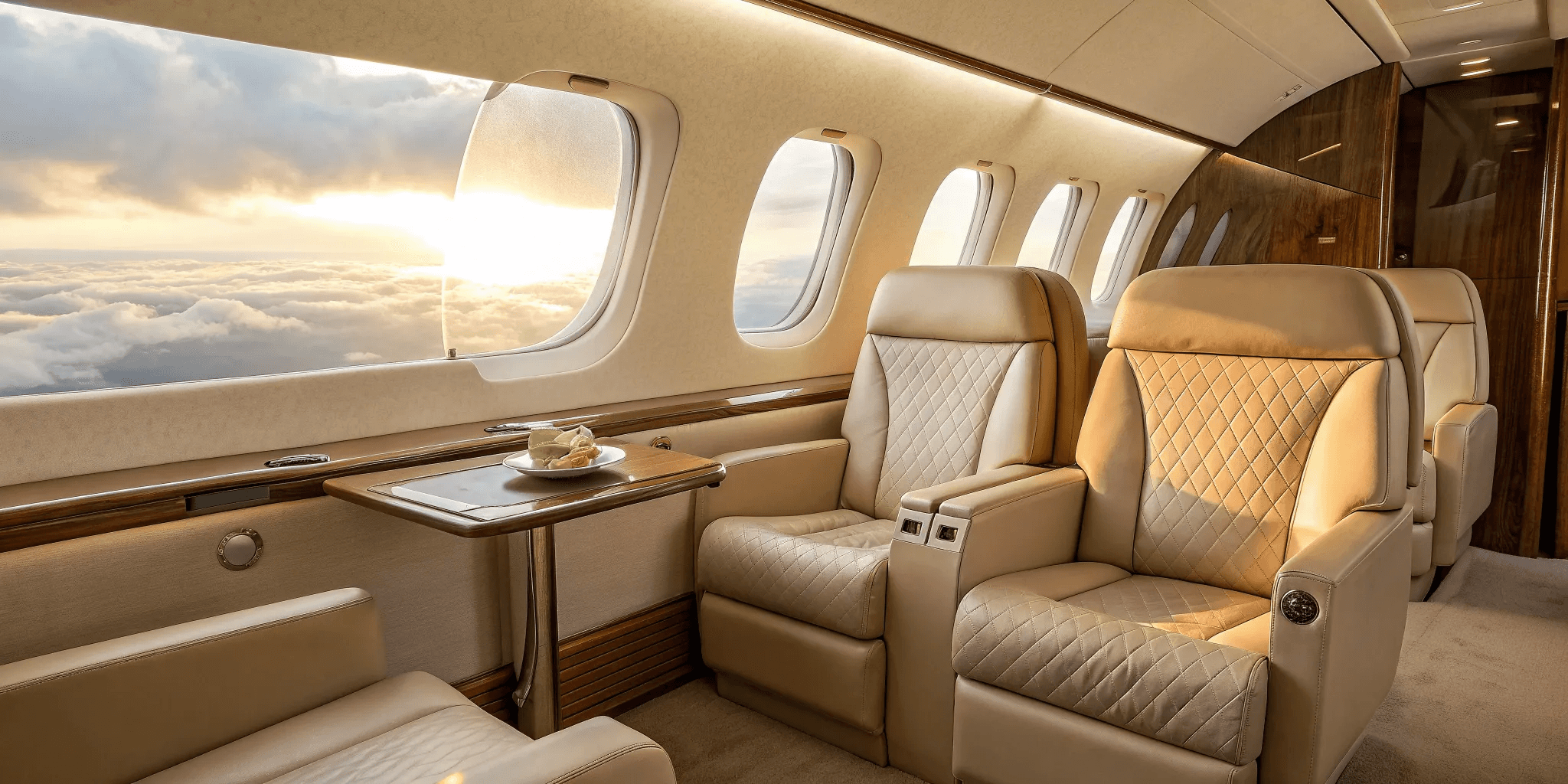
Booking a private jet sounds complicated. It isn’t. Once you know the kind of aircraft you need and you are working with the right provider, the whole thing comes down to five clear steps, and most of the work happens in a single conversation. Here are the steps, the different ways you can book, what shapes the price, and what to confirm before you fly.
The short answer
- Booking is five steps, not a maze — define the trip, compare quotes, choose the aircraft, verify safety and terms, then confirm.
- How you book matters as much as what you book; a broker gives you more aircraft choice and independent safety oversight than a single operator.
- Confirm the fundamentals first: third-party safety ratings, a clear cancellation policy, and trip protection.
What are the 5 steps to booking a private jet?
From first enquiry to wheels-up, booking a private jet runs through five steps. With the right provider, you mostly just have the conversation and they carry the rest.
Step 1 — Define your trip
Start with the essentials: departure and arrival cities, your dates and times, and how many passengers. Flag the extras early too — luggage volume, a pet travelling in the cabin, ground transport you want waiting. The clearer your brief, the faster a provider can work the operator network and match the right aircraft to the mission.
Step 2 — Get and compare quotes
You’ll get one or more quotes laying out the available aircraft and pricing. Look past the headline number. Check the aircraft’s age, the operator’s safety rating, and how the fees are presented — a transparent provider separates the flight cost from a clear, pre-set service fee, so you see what you are paying for instead of an opaque markup.
Step 3 — Choose the right aircraft
Match the jet to the mission, not to the brochure. A light jet is ideal for a short regional hop; a midsize crosses the country non-stop; a heavy or ultra-long-range aircraft handles intercontinental travel with room to work and rest. A specialist will steer you to the most efficient fit for your passenger count and distance — our guide to jet types breaks down each class, and chartering a business jet goes deeper on corporate trips.
Step 4 — Verify safety and review the terms
Before you sign, confirm the operator holds current third-party safety ratings from independent auditors such as ARGUS and Wyvern, and ask for the report covering your specific aircraft and crew. Then read the cancellation policy, request a certificate of insurance, and check whether trip protection covers a replacement aircraft if a mechanical issue comes up. A reputable provider hands all of this over without hesitation.
Step 5 — Confirm, pay, and fly
Approve the quote and your provider sends a confirmation agreement with the full itinerary, the aircraft tail number, and the cancellation terms. Sign it, submit payment, and the trip is secured. On the day, arrive at the private terminal — the FBO, or Fixed-Base Operator — about 15 to 20 minutes before departure with a valid ID, or a passport for international travel. The crew handles your bags, and you walk straight from your car to the aircraft.
How should you book — broker, operator, platform, or membership?
There are four common ways to book a private jet. The right one comes down to how often you fly and how much oversight you want.
| Way to book | How it works | Best for |
|---|---|---|
| Charter broker | Works a vetted global operator network as your single point of contact | Most travelers — choice plus oversight |
| Direct operator | Book the company that owns the jet; limited to its own fleet | A simple, fixed one-off trip |
| Online platform | Fast and digital, lighter on personal oversight | Price-checking, if you’ll vet the operator yourself |
| Membership | Funds on account, priority access, no jet-card lock-in | Frequent flyers who want consistency |
A membership like TrueSkies Reserve suits regular flyers; for occasional trips, a broker is the usual answer.
One more route worth knowing: empty leg flights, the discounted one-way repositioning trips that are excellent value when your schedule can flex.
What affects the price of a private jet booking?
Private jet pricing follows a clear set of variables, not the unpredictable swings of commercial airfares. The aircraft is the biggest one — larger jets carry higher hourly rates because fuel, maintenance, and crew all cost more, though filling every seat with a group can make one midsize jet better value than two light jets.
After that it is flight time and distance, which includes repositioning the aircraft to your airport and back, so a provider who sources a jet based near you keeps that down. Peak dates matter too: holidays and big events push rates up, while off-season travel brings them down. And onboard extras — custom catering, ground transport, special requests — are added to a standard quote. For the full breakdown of rates, positioning, fees, and taxes, see our guide to how much it costs to charter a private jet.
What should you check before you book?
A few minutes of due diligence is what turns an acceptable trip into a dependable one. Before you commit, confirm these with your provider:
Confirm before you sign
- Current third-party safety ratings (ARGUS, Wyvern) for your aircraft and crew
- A certificate of insurance covering you, your guests, and your belongings
- The cancellation policy — deadlines, and any non-refundable fees
- Whether trip protection sources a replacement aircraft if yours has a mechanical issue
A client-focused provider keeps your travel funds accessible and avoids rigid, long-term lock-in. TrueSkies Trip Protection is built around exactly that last point.
Frequently Asked Questions
Is flying private really that different from flying first class?
Think of it less as a better seat and more as a different tool for managing your time. First class still puts you on the airline’s schedule, in crowded public terminals. Flying private hands you control: you set the departure time, use private terminals to skip the lines, and travel in a secure, confidential cabin. There’s more on that in our executive jet aviation guide.
How much notice do I need to book a private flight?
Booking a week or two ahead usually gives you the widest aircraft selection and the best pricing. But speed is one of private aviation’s core advantages — flights can often be arranged with as little as 24 to 48 hours’ notice, which makes it a powerful answer to unexpected business or urgent travel.
Are all private jet operators equally safe?
All certified operators must meet strict federal regulations, but the strongest go further, voluntarily undergoing continuous independent audits from organizations like ARGUS and Wyvern. The value of a dedicated broker is that this vetting is done for you — you only fly with operators that clear the highest benchmarks.
What makes a membership program different from booking a charter when I need one?
On-demand charter is ideal for a specific, one-off trip. A membership program such as TrueSkies Reserve is built for frequent flyers who want consistency — priority access, trip protection, and a guaranteed service standard on every flight, without the rigid commitments or opaque pricing of traditional jet cards.
Can I bring my pet on board?
Yes, and it is one of the most appreciated benefits of flying private. Pets travel with you in the cabin rather than the cargo hold. Just tell your charter specialist when you book so the aircraft and crew are ready to welcome them.
Originally published on flytrueskies.com .