
Fast answer
Learn how to charter a business jet with confidence. Get expert tips on choosing the right aircraft, pricing, safety, and making every trip efficient.
For a business, chartering a jet is less about luxury than arithmetic. A confidential meeting held in the air, three plant visits in a single day, an executive who lands rested instead of wrung out — those are productivity gains, and they are what turn private charter into a line on the expense side of the ledger rather than an indulgence.
This is how to charter a business jet well: choosing the aircraft, reading the price, verifying safety, and picking the program that fits how you fly.
Why do business leaders charter private jets?
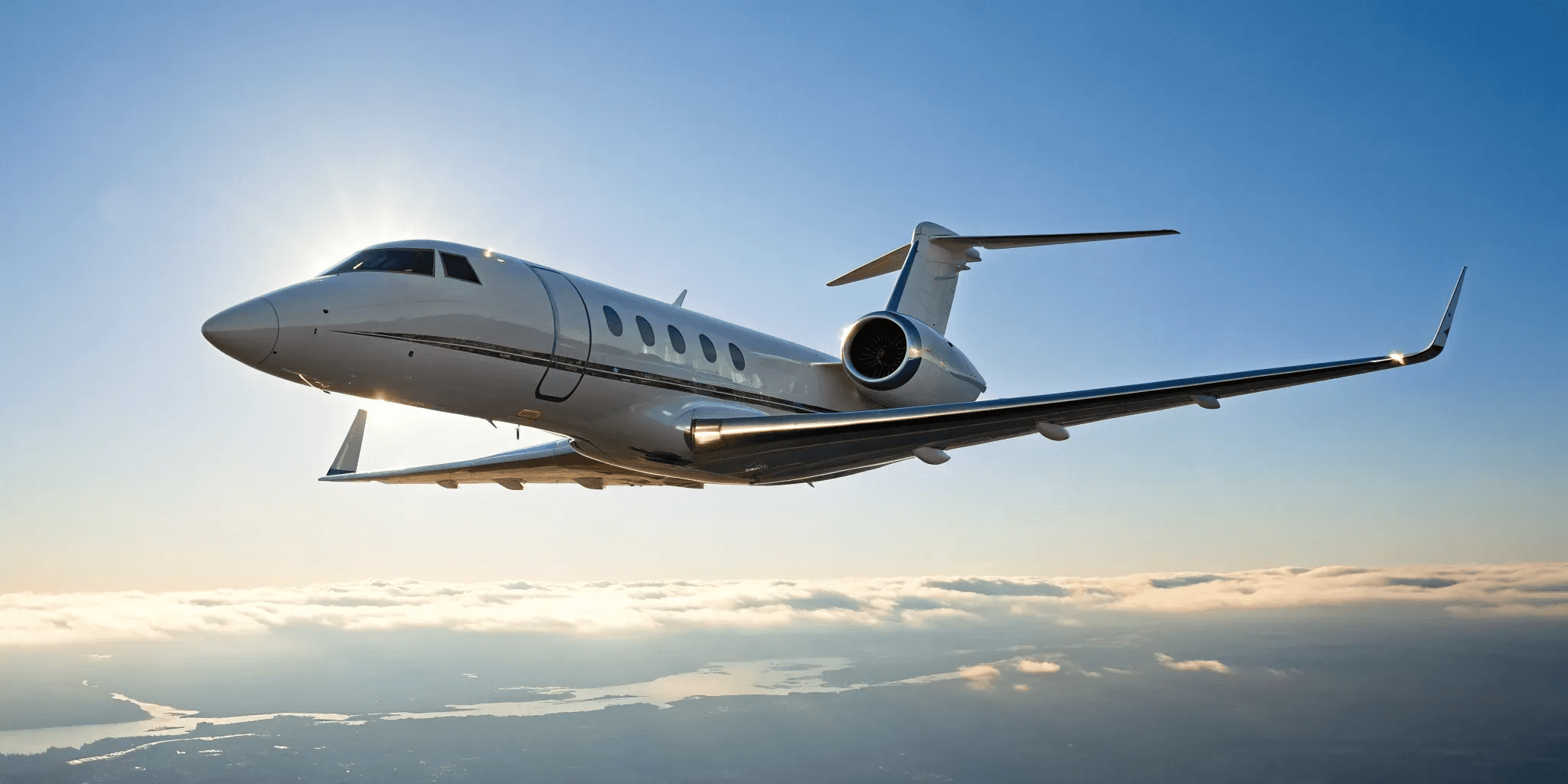
It converts travel time from a loss into an asset. A private jet runs on your schedule, not an airline’s, so a meeting in another city and dinner at home become the same day, and a multi-city itinerary stops being a logistics problem.
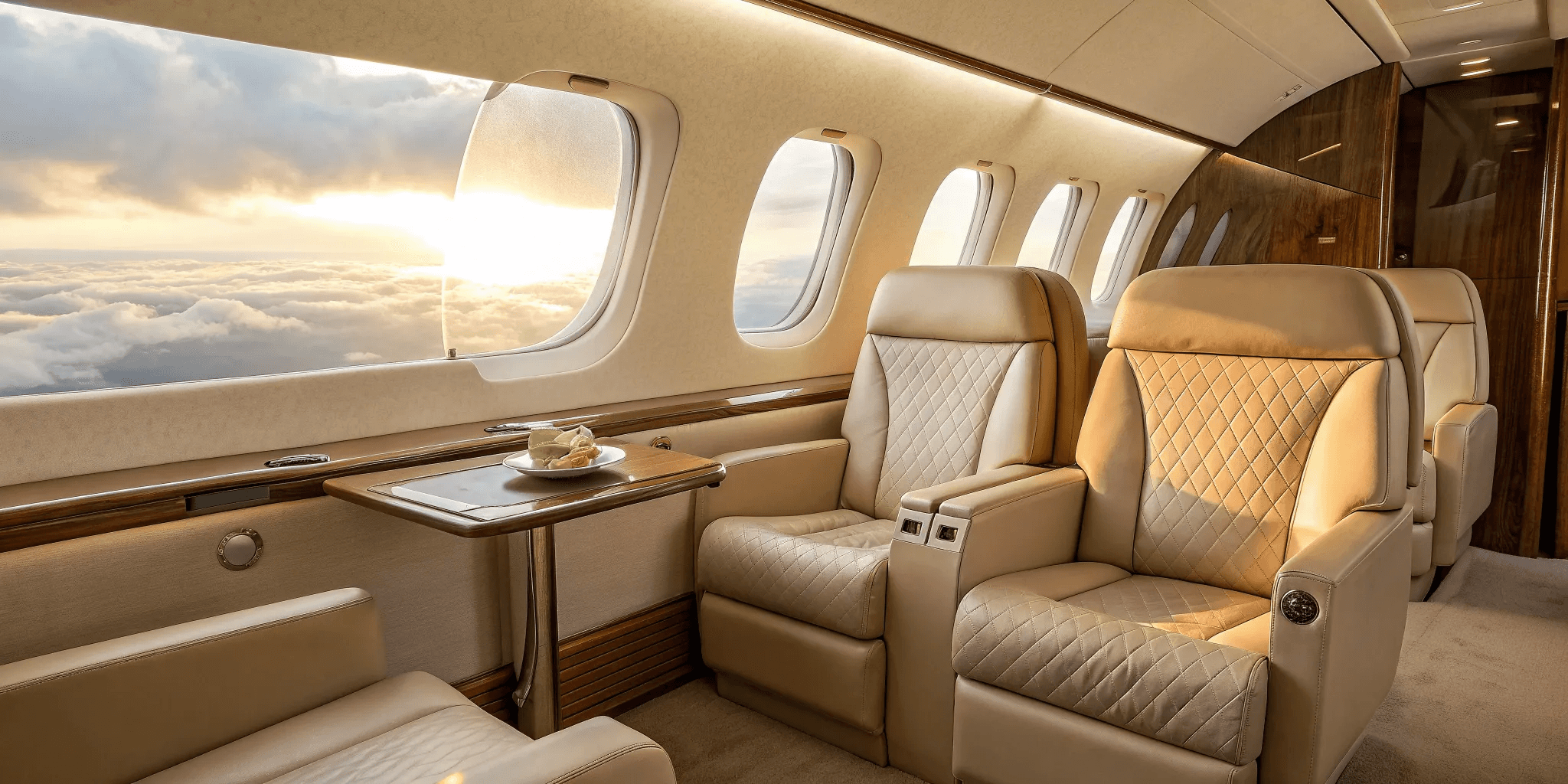
Three things drive the decision. The first is control of your time — arrive minutes before departure, skip the security lines, and if a meeting runs long, the jet waits. The second is privacy: the cabin is a confidential office where you can hold sensitive conversations, take calls, and work without an audience. The third is reach — private jets use thousands of smaller regional airports and land closer to the plants, sites, and offices the commercial network simply does not serve.
Which jet is right for a business trip?
The right aircraft comes down to distance, passenger count, and how rested the team needs to be when they land. Most business travel uses one of three classes.
| Class | Typical range | Seats | Best for |
|---|---|---|---|
| Light jet | ~1,500 mi | 4–8 | Regional hops, under 3–4 hours |
| Midsize jet | ~2,500 mi | 8–10 | Non-stop transcontinental, stand-up cabin |
| Heavy jet | ~7,000 mi | 10–16 | Intercontinental — a boardroom in the sky |
Most modern charter aircraft offer Wi-Fi — confirm the specific aircraft’s connectivity when in-flight work matters — and private charter frees you from commercial baggage limits, with room for oversized gear and pets in the cabin. Our jet types guide breaks down each class in more detail.
How much does it cost to charter a business jet?
Charter pricing is built on the aircraft’s hourly rate — broadly from around $3,500 an hour for a light jet up to $10,000 and beyond for a heavy jet — multiplied by billable flight time. Three things move the total.
Most operators apply a daily minimum, usually around two hours, so a short 45-minute hop is still billed at that minimum; it covers the fixed cost of readying an aircraft and crew for the day. Peak demand matters too — major holidays and events tighten availability and can lift rates by 20 to 50 percent. And a handful of standard fees ride along: a fuel surcharge, Federal Excise Tax at 7.5 percent on domestic flights, landing fees, and crew expenses on multi-day trips. All of it is itemized. For the full line-by-line view, see our guide to how much it costs to charter a private jet.
How do you verify a charter operator is safe?
Safety underpins every other benefit, so confirm it before you book. The clearest signal is a third-party safety rating: all operators meet FAA rules, but the best are independently audited, and an ARGUS (Gold, Gold Plus, or Platinum) or Wyvern rating reflects a deep review of safety history, maintenance, and pilot training.
Beyond the rating, it is fair to ask about pilot experience — total hours and time on the specific make and model for your trip, since top operators require frequent simulator training. Charter aircraft also follow strict FAA-mandated inspection schedules, and a reputable operator keeps meticulous records and never defers maintenance. Finally, a professional operator carries substantial liability insurance and will provide a certificate on request. A dedicated charter partner runs all of this vetting for you and works only with operators that clear the highest bar.
Which charter program fits your travel?
How you book should match how often you fly. For less frequent or unpredictable travel, on-demand charter is the simplest answer — book a specific aircraft per trip, pay as you go, no commitment.
If you fly often enough that booking trip by trip feels repetitive, a flexible deposit program like TrueSkies Reserve lets you place funds on account and draw from them as you fly, with priority access and refundable funds — none of the use-it-or-lose-it pressure of a jet card. Traditional membership programs charge an annual fee for capped rates and app-based booking, which suits travelers who want predictable pricing. And empty legs — discounted one-way repositioning flights — are excellent value when your dates can flex.
How do you get the most from a business charter?
A few habits raise the return on every trip. Book ahead when you can, since more lead time means a wider aircraft selection and better rates. Book round trips as a single journey rather than two one-ways — it often eliminates a repositioning fee. Right-size the aircraft: a slightly larger jet that avoids a fuel stop can save a day’s time even at a higher hourly rate, but never pay for cabin the mission does not need. And travel as a team — visiting several regional sites in one day is a straightforward private-jet itinerary, and it turns transit into working time.
Related Articles
Frequently Asked Questions
What's the difference between booking on-demand and a program like TrueSkies Reserve?
On-demand charter is maximum flexibility — you book one flight at a time and choose the ideal aircraft for that mission, which is ideal when you fly less often. TrueSkies Reserve is built for regular flyers: funds on account streamline booking, and a team that knows your preferences delivers a more consistent experience.
How much notice do I need to book a private flight?
Flights can often be arranged within a few hours, but a week or more of notice gives you a wider aircraft selection and better pricing. For peak holidays and events, book as far ahead as you can.
Is flying private as safe as commercial airlines?
Yes. Private aviation is governed by the same regulator — the FAA — and reputable providers go further, working only with operators holding elite third-party ratings from ARGUS or Wyvern, which confirm standards above federal minimums for pilot training, maintenance, and operations.
What if my plans change last minute, like a meeting running over?
This is where private charter earns its value. Your aircraft runs on your schedule — if a meeting overruns, the crew and jet wait. You control the day rather than racing an airline’s clock.
Besides the hourly rate, what other costs should I expect?
A transparent quote itemizes everything: Federal Excise Tax (7.5% domestic), landing fees, a fuel surcharge, and any crew expenses for multi-day trips. Every line is explained — no surprises.